Notes and key takeaways from books I have read.
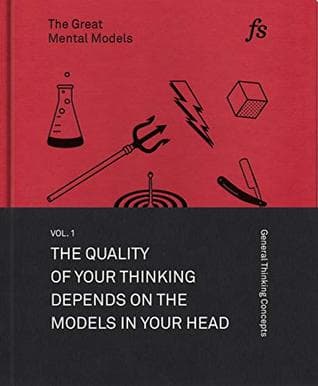
The Great Mental Models
Shane Parrish
Most people carry mental models only from their own field, creating blind spots everywhere else. Parrish collects the most reliable thinking frameworks from physics, biology, and mathematics into a single toolkit for clearer reasoning and better decisions.
Grit
Angela Duckworth
Talent is overrated and effort counts twice: once to build skill, once to convert skill into achievement. Duckworth's research across military training, spelling bees, and long-term careers shows that passion combined with perseverance predicts success far better than raw ability. The people who achieve the most are not the most gifted. They are the ones who refuse to stop.
Steal Like an Artist
Austin Kleon
Every creative person is built from the influences they absorbed. The goal is not to avoid stealing, it is to steal from the right places and transform what you take into something new. Kleon argues that creativity is a set of habits and attitudes anyone can adopt, not a rare gift waiting to be discovered.
Indistractable
Nir Eyal
Distraction is not a technology problem. It is a discomfort problem. Eyal argues that every act of distraction is an attempt to escape an internal state, and that the only durable solution is learning to sit with that state rather than flee it. The system he builds from that premise covers time planning, external environment design, and identity-based change.
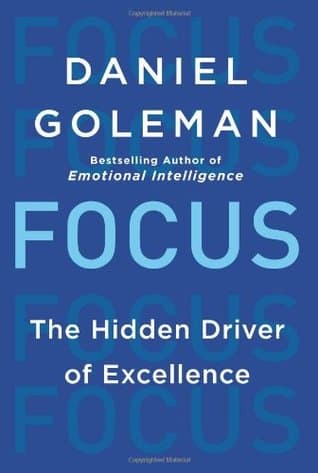
Focus
Daniel Goleman
Attention is not a single skill and distraction is not a discipline problem. Goleman draws on neuroscience to show that the attentional system has distinct modes, each with different neural substrates and different failure conditions, and that the environments most people work in are structurally engineered to degrade all of them. Self-awareness, empathy, and strategic thinking are all downstream of how well you can direct and recover your attention.
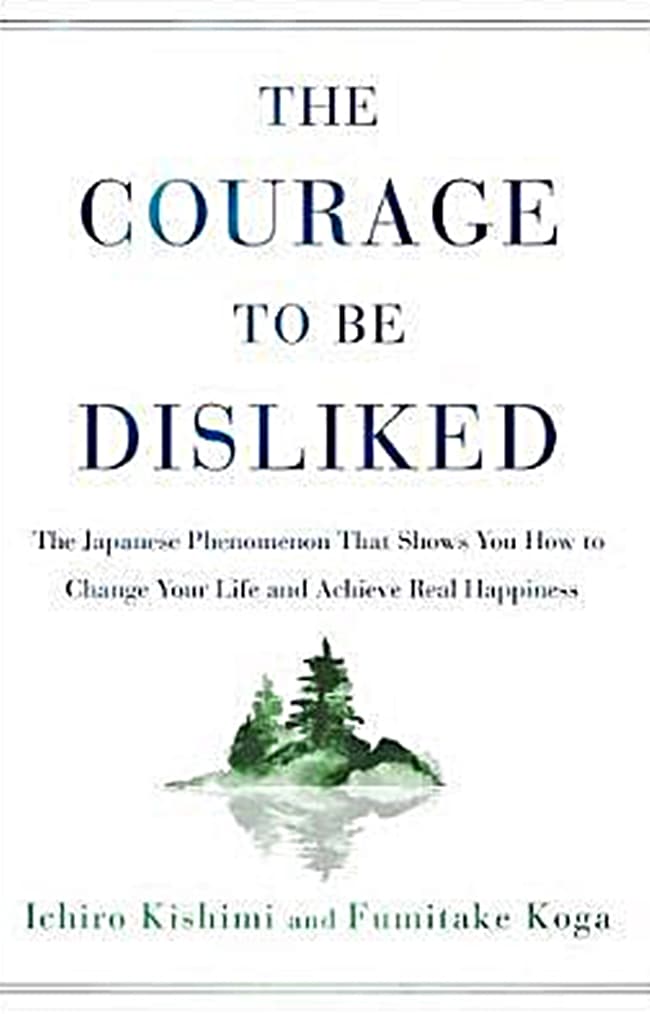
The Courage To Be Disliked
Ichiro Kishimi & Fumitake Koga
You are not determined by your past. Kishimi and Koga use Adlerian psychology to argue that all unhappiness is rooted in interpersonal problems and that freedom is available at any moment. The price is accepting that some people will dislike you for it.
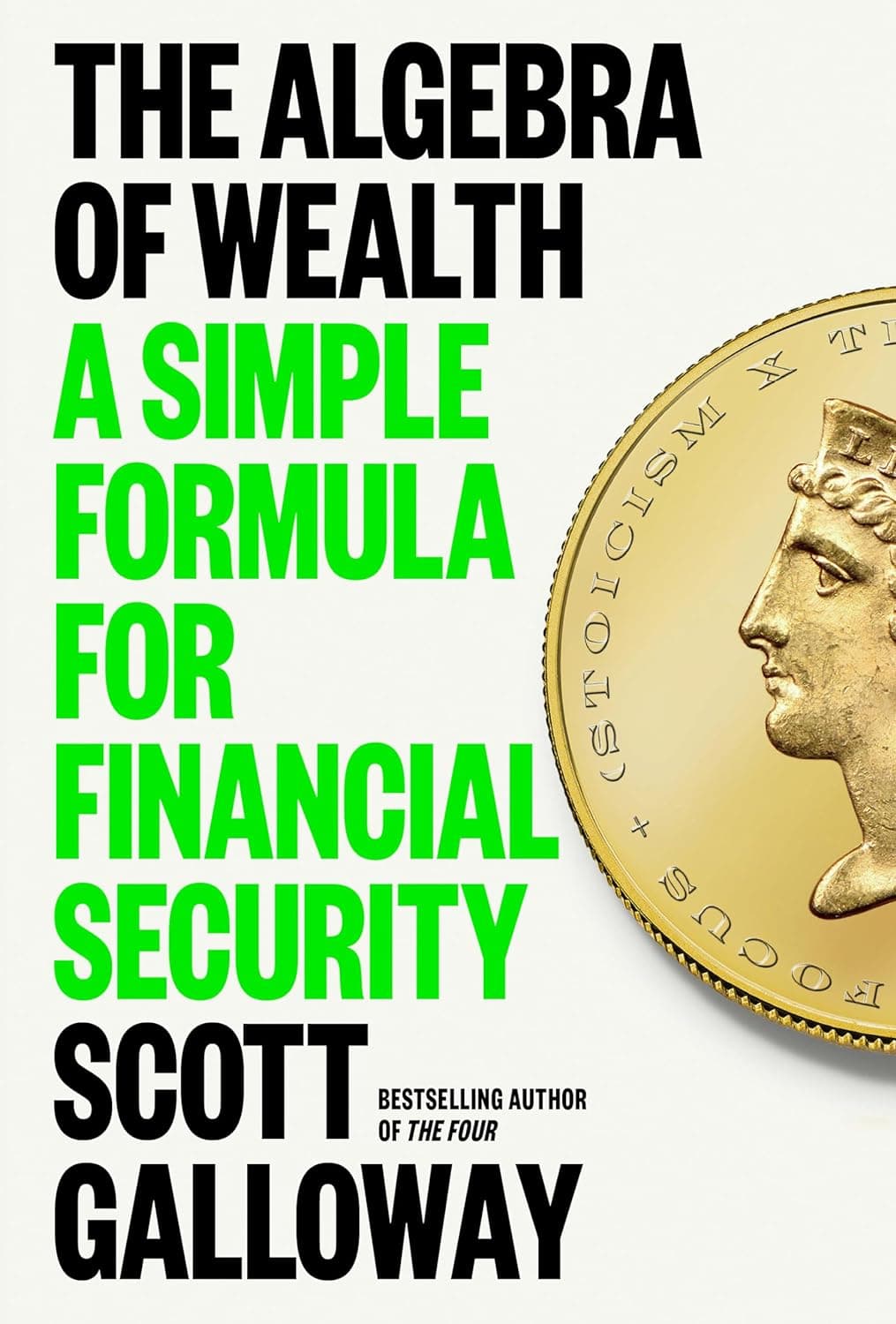
The Algebra of Wealth
Scott Galloway
Wealth is not the product of income. It is the product of focus, stoicism, time, and diversification. Galloway argues that most people fail financially not from lack of earning power but from lack of character: they spend what they make, follow passion over talent, and wait too long to start.
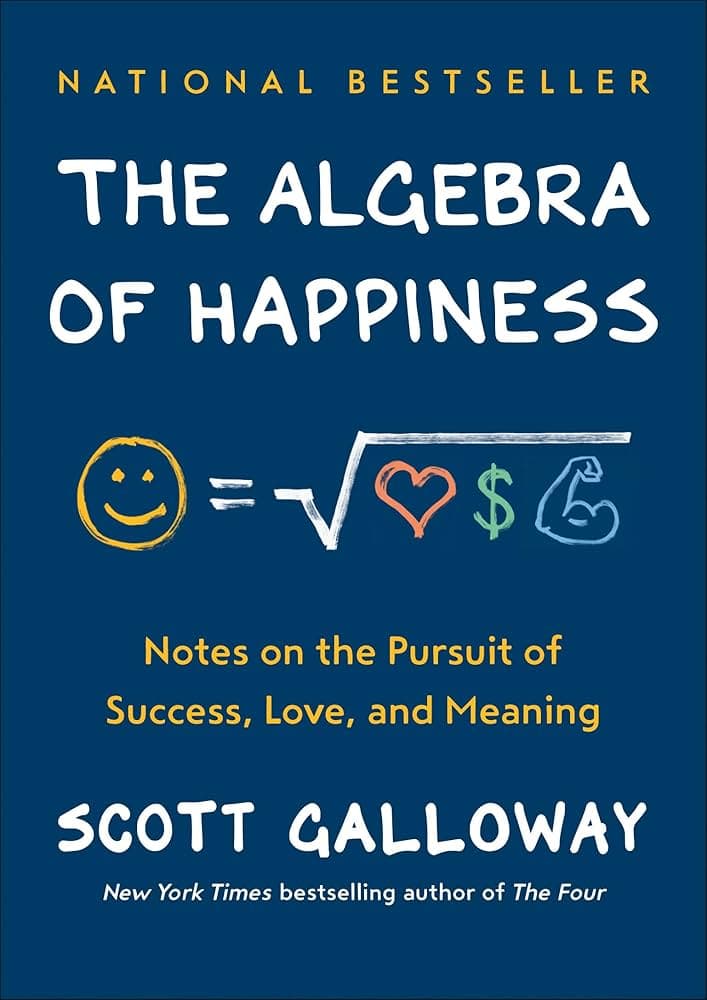
The Algebra of Happiness
Scott Galloway
Success and happiness are not the same variable, and optimizing for the wrong one early is hard to undo. Galloway argues that economic security, deep relationships, and genuine presence are the actual drivers of a good life. Not achievement, recognition, or the right career path.
The Winner Effect
Ian Robertson
Winning is not just a result. It is a neurochemical event that changes the brain in ways that make winning again more likely. Robertson draws on testosterone research, animal studies, and human performance data to show that the same biology driving success on the way up eventually distorts judgment at the top. The people most likely to make catastrophic errors are those who have been winning long enough for the chemistry to outrun the situation.
So Good They Can't Ignore You
Cal Newport
Passion is not something you find before you start. It is something you build after you get good. Newport's argument, drawn from interviews with people who love their work, is that rare and valuable skills are the only currency that buys a career worth having. Following your passion before you have those skills is how most people end up starting over.